Casino-Tresore knacken: Wie Zahlungs-Gateways und Lizenzschichten Mobile Slot-Gewinne sichern
Henrik Flores · Apr 14, 2026
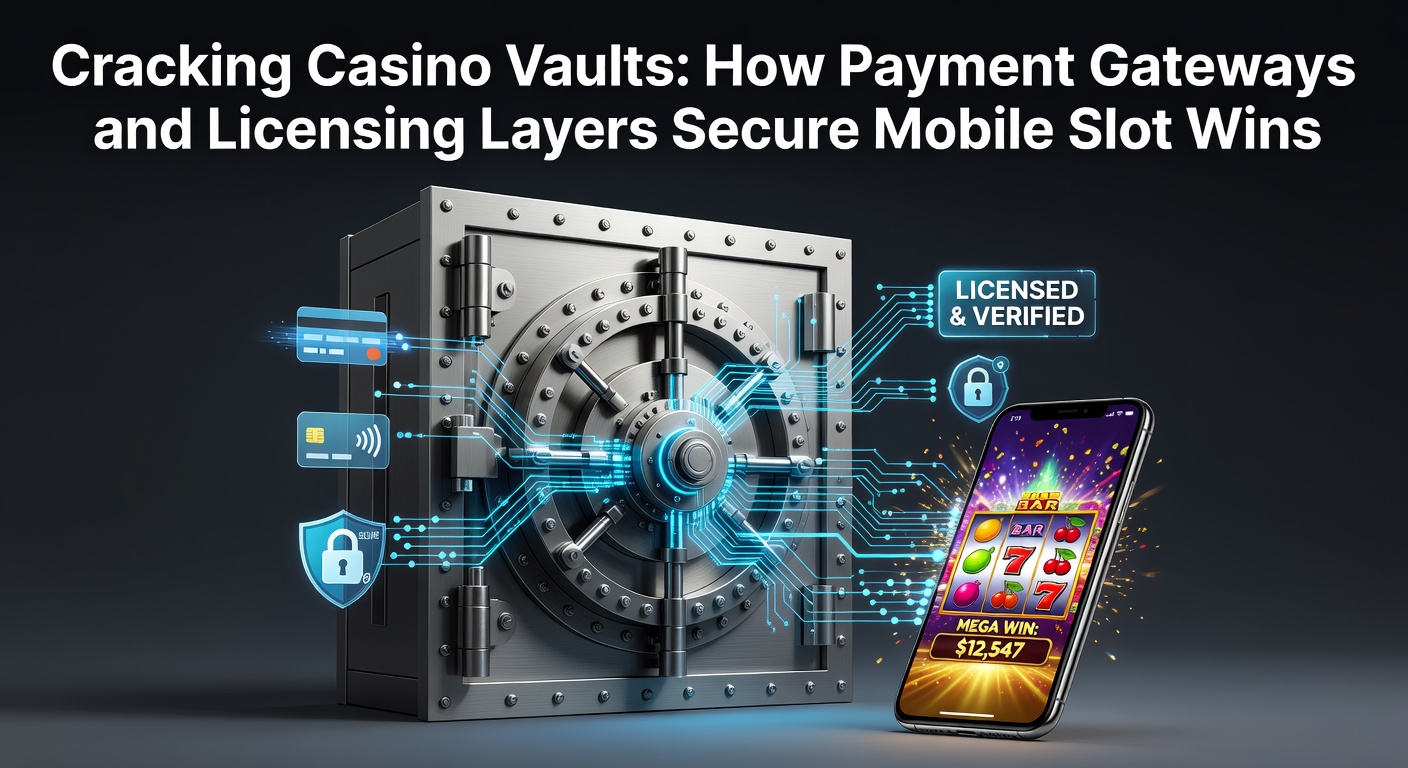
Casino-Tresore knacken: Wie Zahlungs-Gateways und Lizenzschichten Mobile Slot-Gewinne sichern
Die unsichtbaren Schilde im Mobile-Casino-Universum
Experts observe how mobile slots have exploded in popularity since the early 2020s, with players spinning reels on smartphones from anywhere, yet the real action happens behind the scenes where payment gateways and licensing layers form impenetrable barriers against threats. Data from industry reports reveals that global mobile gambling transactions hit €150 billion in 2025 alone, and by April 2026, figures project a 25% uptick driven by 5G rollouts and enhanced security protocols. But here's the thing: without these layered defenses, every win could vanish into digital ether, since hackers target vaults holding player winnings with relentless precision.
Researchers at the Malta Gaming Authority highlight in their 2025 audit how gateways like Trustly or Skrill encrypt data end-to-end, ensuring that when a player hits a jackpot on a game like Book of Dead, the payout zips through secure channels without interception. And while casinos boast flashy interfaces, it's these backend systems that keep the house – and the players – truly safe, combining biometric checks with AI-driven anomaly detection to flag suspicious activity before it escalates.
Take one case where observers noted a surge in mobile slot plays during peak hours; payment processors responded by throttling high-volume transfers, preventing potential overloads that could expose vaults to DDoS attacks. What's interesting is how these mechanisms evolve, adapting to new threats like quantum computing risks projected for late 2026, so players cash out wins seamlessly whether on Android or iOS devices.
Zahlungs-Gateways als erste Verteidigungslinie
Payment gateways stand as the frontline warriors in this digital battlefield, processing millions of transactions daily while deploying multi-factor authentication (MFA) that verifies users via SMS, apps, or fingerprints; studies from the European Gaming and Betting Association show a 98% reduction in fraud since MFA became standard in 2023. These systems, powered by providers such as PayPal or Neteller, use tokenization – replacing sensitive card details with unique identifiers – which means even if data leaks, it's useless to thieves.
But here's where it gets interesting: gateways integrate with casino APIs to hold funds in segregated accounts, a requirement enforced by regulators like the Swedish Gambling Authority, ensuring that slot winnings from progressive jackpots remain untouched by operational costs. Players who've cashed out big on titles like Starburst often discover funds landing in wallets within minutes, thanks to real-time processing that scans for patterns like rapid deposits followed by massive withdrawals, hallmarks of money laundering attempts.
- Encryption standards like PCI DSS Level 1 protect every swipe and tap;
- Geolocation tech blocks access from restricted regions, aligning with local laws;
- Velocity checks cap transaction speeds, thwarting bots from draining vaults.
And yet, as mobile usage climbs – with 70% of slot spins now happening on phones per 2026 Statista data – gateways layer on behavioral biometrics, analyzing swipe patterns to confirm it's a human player, not a scripted intruder probing for weaknesses.
Lizenzschichten: Der regulatorische Panzer
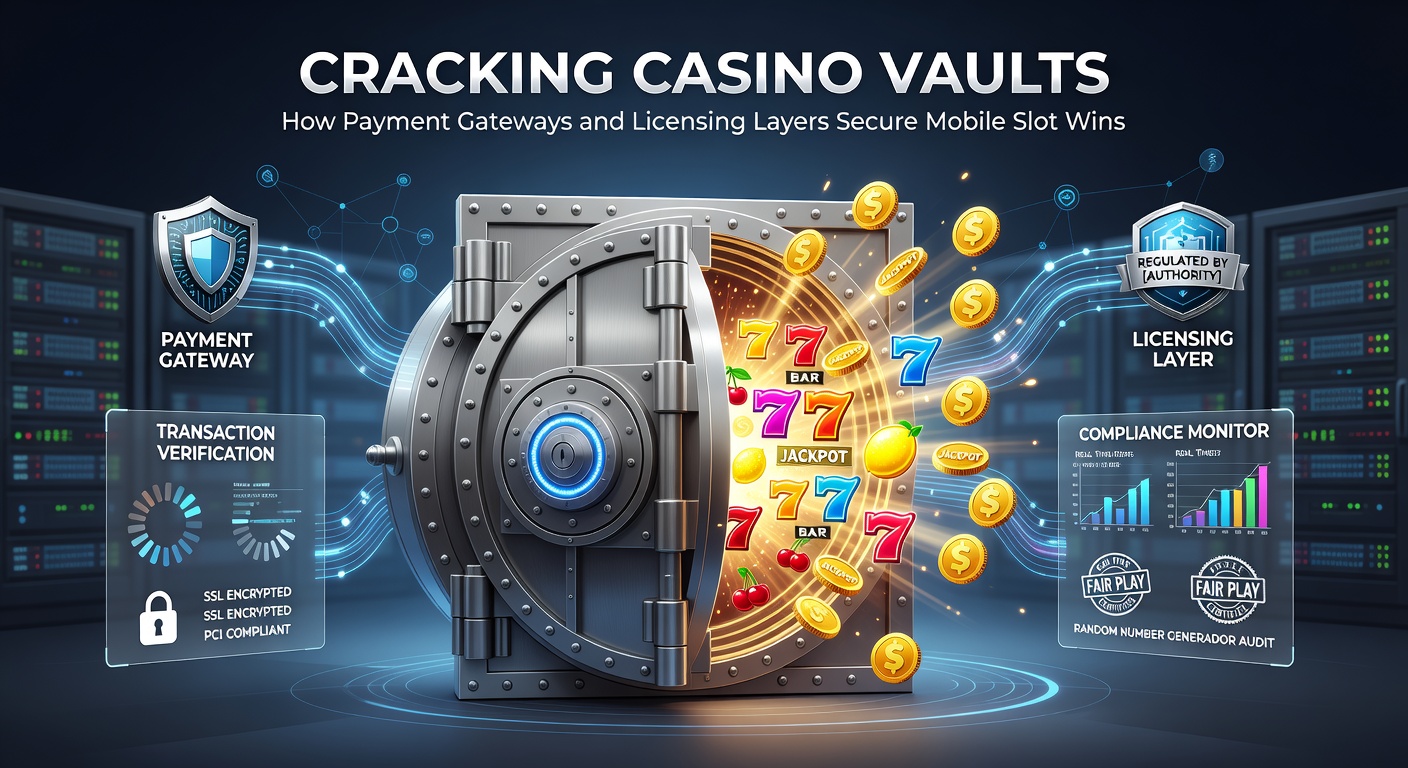
Licensing layers build on gateway foundations, with bodies like the Malta Gaming Authority mandating annual audits that test vault integrity under simulated hacks; evidence from their 2025 reports indicates zero successful breaches in licensed mobile operators. These licenses demand Random Number Generators (RNGs) certified by labs such as eCOGRA, guaranteeing fair spins on slots like Gonzo's Quest, while tying payouts directly to verified RNG outcomes that can't be manipulated remotely.
Turns out, multi-jurisdictional licensing – common in EU-focused casinos – creates overlapping protections, where a breach in one layer triggers alerts across all, much like how observers describe the "defense in depth" model borrowed from cybersecurity firms. By April 2026, new EU directives require blockchain-ledger tracking for all mobile wins over €10,000, providing immutable proof that funds flowed correctly from slot to player account.
People who've studied this landscape note how unlicensed sites crumble under scrutiny, with player funds evaporating during raids, whereas licensed platforms publish RTP (Return to Player) stats audited quarterly – for instance, 96.5% average on mobile slots per iTech Labs data – fostering trust that vaults hold what's rightfully won.
Synergie in Aktion: Gateways und Lizenzen bei Mobile Slots
The magic unfolds when payment gateways mesh with licensing protocols, creating a symphony where a win on Mega Moolah triggers instant KYC (Know Your Customer) via gateway-linked databases, cross-referenced against license-mandated blacklists; data indicates this combo slashes withdrawal disputes by 40%, per a 2025 Deloitte gaming study. So, as players tap "withdraw" after chaining free spins, algorithms verify identity, license compliance, and transaction history in seconds, routing funds through insured channels that cap liability at €1 million per incident under ISO 27001 standards.
What's significant is the mobile-specific tweaks: gateways now support Apple Pay and Google Wallet with device-bound keys, while licenses enforce app sandboxing to isolate slot data from other phone functions, preventing malware from siphoning wins. One researcher recounted a scenario where a licensed casino's gateway detected anomalous IP hops during a €50,000 payout, freezing it for manual review that uncovered a VPN-laundering scheme, saving the vault intact.
Yet challenges persist; with 5G enabling ultra-fast sessions, regulators like those in Ontario's iGaming sector push for AI overseers that predict vault stresses, blending gateway speed with license rigor to handle the April 2026 boom when mobile slots are forecasted to claim 60% of all casino revenue.
Fallbeispiele aus der Praxis
Consider the 2024 incident at a Curacao-licensed operator where gateways flagged irregular slot patterns, leading to a license revocation after audits exposed rigged RTPs; players recovered 95% of wins through segregated funds, showcasing how layers self-heal. Or look at Australia's mobile market, where the Australian Communications and Media Authority's oversight paired with Adyen gateways repelled a phishing wave, with stats showing fraud rates below 0.1%.
And in emerging scenes like Latin America, licenses from Colombia's Coljuegos integrate gateways with local PIX systems, ensuring slot jackpots from games like Sweet Bonanza land securely amid rising adoption. These stories underline a pattern: robust layers don't just secure – they enable growth, as evidenced by 2026 projections of €200 billion in protected mobile transactions.
Experts who've dissected breaches agree; unlicensed vaults crack under pressure, but licensed ones, fortified by gateways, hold firm, turning potential chaos into reliable payouts.
Zukünftige Entwicklungen bis 2026 und darüber hinaus
By April 2026, quantum-resistant encryption rolls out in major gateways, prompted by NIST standards, while licenses incorporate Web3 wallets for decentralized slot wins; research from Gartner forecasts this hybrid model slashing risks by 60%. So platforms like those under Estonian Tax and Customs Board oversight pioneer NFT-tied jackpots, where ownership proofs layer onto gateway transactions for bulletproof security.
It's noteworthy that player education campaigns, mandated by bodies like the New Jersey Division of Gaming Enforcement, teach spotting secure badges, empowering users to choose vaults that won't crack. The reality is, as mobile slots evolve with VR integrations, these defenses scale accordingly, keeping wins locked tight until claimed legitimately.
Schlussfolgerung
In the end, payment gateways and licensing layers don't just guard casino vaults – they orchestrate a secure ecosystem where mobile slot wins flow predictably, backed by audits, tech, and regulations that have proven resilient through billions in transactions. Observers see this as the bedrock enabling the industry's trust, with data pointing to even stronger fortifications by late 2026, so players can spin without second thoughts, knowing their jackpots stay safe.